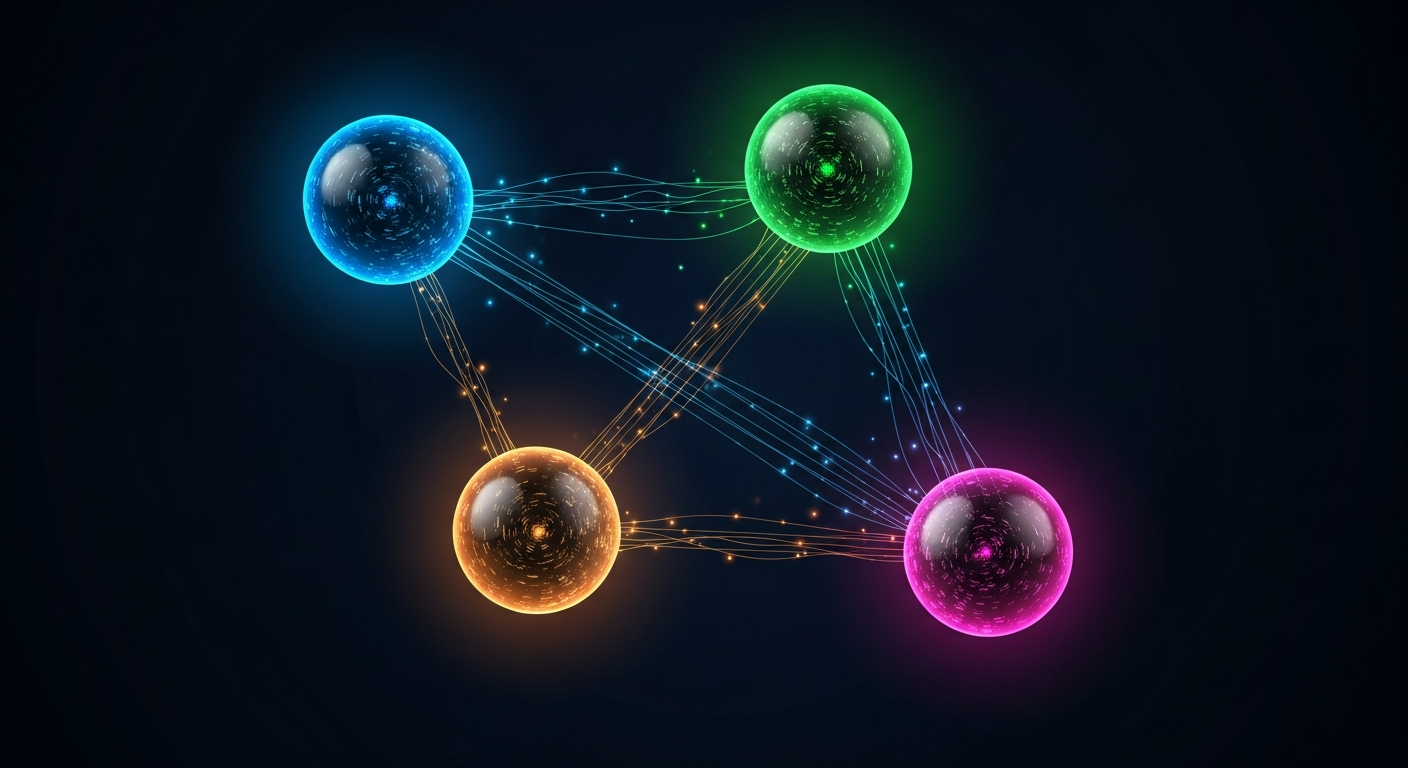
Only 11% of domains cited by ChatGPT show up in Perplexity's answers too. That figure comes from an Averi analysis of 680 million AI citations published in March 2026. If you're running a single "AEO strategy" and calling it done, you're optimizing for one platform and leaving the other three on the table.
I've been digging into this for client work at Publicis Sapient and the platform differences are bigger than most guides admit. Here's what each engine actually rewards.
Why Platform-Specific AEO Matters Now
Over 40% of search queries in 2026 go to AI assistants rather than traditional search engines. ChatGPT alone accounts for 87.4% of all AI referral traffic to brand websites. And 68% of consumers now start product research in ChatGPT or Perplexity before they visit a brand website at all.
The problem is that these platforms don't pull from the same source pool. Each has a different retrieval architecture, different freshness requirements, and different content signals. What works on Perplexity can be irrelevant on ChatGPT, and vice versa.
How Each Platform Decides What to Cite
ChatGPT: Authority and Brand Mentions Win
ChatGPT sources primarily from Bing's top 10 results, with 87% overlap between Bing rankings and ChatGPT citations. Traditional SEO authority translates directly to ChatGPT visibility. Domain rating has a meaningful correlation (0.161) with citation frequency.
Brand mentions are the strongest predictor of ChatGPT citation, with correlation values between r=0.334 and r=0.664 depending on the study. Wikipedia shows up in 7.8% of ChatGPT citations. The engine leans toward encyclopedic, consensus-validated sources. If you rank on Bing, you're close to ranking in ChatGPT responses.
Perplexity: Freshness and Community Content
Perplexity retrieves in real-time from 200+ billion URLs and provides an average of 8.79 citations per response, the highest of any major platform. It's recency-first: pages updated within the last 30-60 days carry significantly stronger weighting.
One finding that surprised me: 46.7% of Perplexity's top cited sources come from Reddit. Community-sourced, conversational content outperforms polished brand pages on Perplexity. Structured answers with numbered lists, clear H2s, and short paragraphs tend to get pulled as inline citations. Structural fixes also show up fast: updated content appears in Perplexity within 2-7 days, versus 7-21 days for ChatGPT.
Google AI Overviews: Your Existing SEO Carries Over
Google AI Overviews mostly rewards pages already ranking in the top 10 organic results. It doesn't operate a separate citation model from organic search. If you're doing solid on-page SEO with structured data and you're ranking, you're positioned for AI Overview inclusions. FAQPage schema and HowTo schema directly increase your chances here. The catch: Google AI Overviews take the longest to reflect content changes, anywhere from 14 to 45 days in most documented tests.
Claude: Structure Over Popularity
Claude is 30% more likely to cite bullet-pointed pages than prose-heavy equivalents. It prioritizes depth and structured content over domain authority alone. Documentation-style writing with tight headers, bullet points, and direct answers gets parsed and cited more readily than narrative blog writing.
Platform Comparison at a Glance
| Signal | ChatGPT | Perplexity | Google AI Overviews | Claude |
|---|---|---|---|---|
| Domain authority | High | Medium | High | Medium |
| Content freshness | Medium | Very High | Low | Low |
| Schema markup (FAQ, HowTo) | Medium | Medium | High | Low |
| Bullet points / structured lists | Medium | High | Medium | Very High |
| External brand mentions | Very High | Medium | High | Medium |
| Community content (Reddit, forums) | Low | Very High | Low | Low |
| Content depth | Medium | High | Medium | High |
| Indexing speed after update | 7-21 days | 2-7 days | 14-45 days | 14-45 days |
Where to Start
If you're building AEO coverage from scratch, here's the order I'd follow:
- Perplexity first for fast feedback: Update stale pages with fresh data, add a date-stamped line at the top, tighten H2 structure, add numbered lists. You can see movement within a week. Use it to test what formats actually get cited before investing in slower-moving platforms.
- ChatGPT via off-page authority: Earn brand mentions in respected industry publications. Get included in "best X for Y" roundup posts on high domain-rating sites. Your Bing ranking is your ChatGPT ranking.
- Google AI Overviews as an SEO byproduct: Implement FAQPage schema on your core pages. Make sure organic rankings are solid. Don't chase AI Overviews directly; they follow from existing SEO health.
- Claude via content structure: Restructure key pages to lead with bullet points. Write intro paragraphs as direct answers, not context-setting preamble.
The cross-platform AEO signals that carry weight everywhere: answer-first content structure, FAQ schema quality, and statistical density with proper source citations. Start with those three. Then layer in the platform-specific adjustments above.
The 11% overlap stat is the real takeaway here. You cannot optimize once and expect universal AI citation coverage. But you also don't need to build four separate strategies. Build a solid structured-content foundation, then tune per platform. That's the system that scales.
Sources: ChatGPT vs Perplexity: Only 11% of Cited Sources Overlap | AEO Techniques 2026 Complete Guide | 14 Proven Tactics to Rank Higher on ChatGPT in 2026
Comments
Post a Comment